
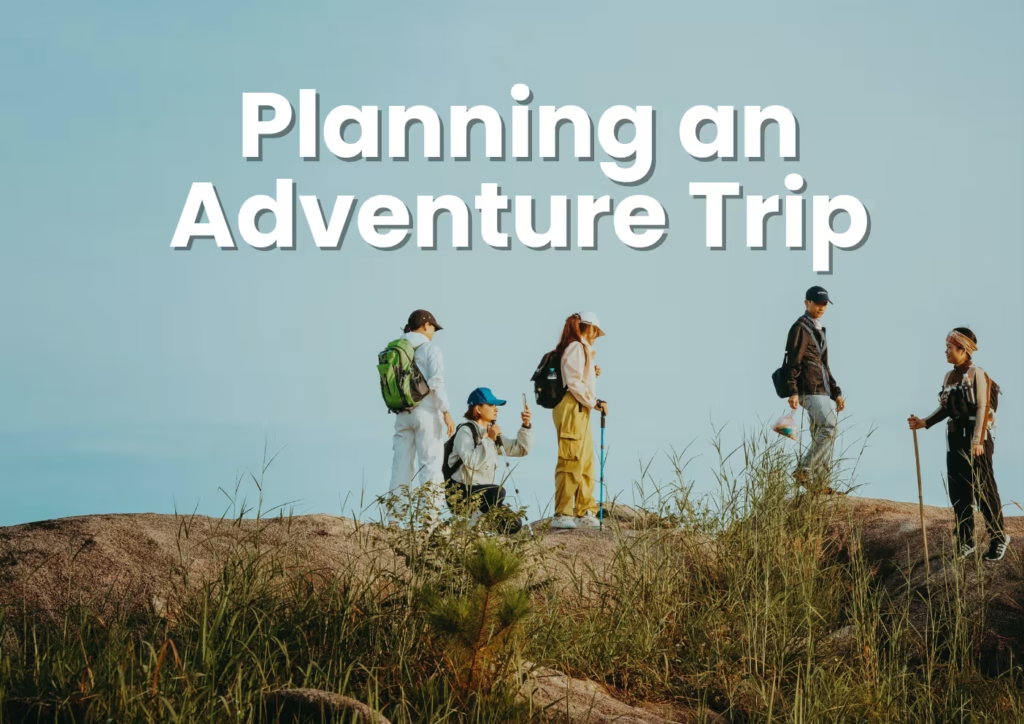
It all started with a simple thought: “I need an adventure.” Like many people, I felt tired of the same routine. Work, screens, traffic, and deadlines had taken over life. I wanted fresh air, open skies, and a story worth telling. That was the moment I truly began learning How to Plan an Adventure Trip.
At first, the idea felt exciting but also overwhelming. Where do I go? Asia maybe? What are the Good Places To Travel in Asia? How much will it cost? What if something goes wrong? But step by step, the fear turned into confidence, and the plan slowly shaped into a beautiful journey.
The Dream Phase: Choosing the Perfect Adventure Destination
Every great adventure begins long before you book a ticket or pack a bag. It begins in your imagination — the dream phase. This is the moment when an idea grows into a vision and your mind starts painting pictures of where you could go. Choosing the perfect adventure destination is not about finding the most famous place. It’s about discovering a place that speaks to your spirit.
Start by thinking about what excites you. Are you drawn to mist-covered mountains, quiet forests, wild rivers, or golden deserts? Some people dream of climbing rugged trails, while others long for soft adventures like kayaking or camping under the stars. There is no “right” choice — only the choice that feels right for you.
Your experience level matters too. Beginners may prefer well-marked hiking routes or guided activities, while experienced travelers might crave remote trails or challenging terrains. Understanding your comfort zone helps you choose a destination that inspires you rather than intimidates you.
It also helps to think about the emotional goal of your trip. Do you want peace? Thrill? Healing? Connection with nature? Each destination offers a different kind of energy. A beach town might give you calm sunsets and slow mornings, while a high-altitude trek brings adrenaline, achievement, and breathtaking views.
And while dreaming is magical, a little research keeps you grounded. Reading travel blogs, adventure forums, or checking climate information can help you shape your ideas. For example, you can explore inspiration on National Geographic Travel or look at popular adventure routes at Lonely Planet. These aren’t rules — they’re simply sparks that fuel your imagination.
In the dream phase, nothing is too big or too bold. Let your mind wander. Let your curiosity lead. Your perfect adventure destination isn’t chosen by chance — it grows from the dreams you dare to explore.
This was the first lesson in How to Plan an Adventure Trip. Understanding your desire makes everything clearer. I chose a destination that matched both my energy and experience level. A scenic mountain region with hiking trails, waterfalls, and star-filled nights felt perfect.
N.B: Checkout this post if you are planning adventure in Indonesia: Good Places to Travel in Indonesia
You can also check this out if you are visiting Indonesia for the First time: First Time in Indonesia
Picking the Right Time in Journey Planning
Choosing the right time for your adventure can completely change the way your trip feels. Weather, crowd levels, seasonal activities, and even local events can shape your entire experience. That’s why timing is not just a detail — it’s a core part of smart journey planning.
Start by understanding the climate of your destination. Some places shine in winter, others come alive in summer, and some are best during shoulder seasons when the weather is mild and tourist crowds are smaller. For example, checking basic climate patterns on Weather.com can give you a simple overview of what to expect.
Another key factor is the type of adventure you want. Trekking, kayaking, wildlife tours, and desert safaris all depend heavily on seasons. You don’t want to plan a mountain hike during heavy rain or book water activities during rough-sea months. Adventure-specific guides on Lonely Planet can help you confirm the best seasons for certain activities.
It’s also important to think about your personal comfort. Do you enjoy cool weather? Prefer sunny days? Your physical and mental comfort plays a big role in enjoying the journey.
When you pick the right time, everything becomes smoother — safer trails, better scenery, easier booking, and a far more meaningful adventure. The right timing turns a simple trip into an unforgettable experience.
N.B: Planning a trip in February? Check this out: Good Places to Travel in February
Planning a trip in March? Have a look: Good Places to Travel in March
If you are planning a trip to USA then read this: Budget Travel Tips for Expensive Cities in the USA
Read more about: Best Countries to Visit in Spring
Building a Budget Without Breaking the Dream
Turning a dream adventure into reality means balancing excitement with real money planning. A clear budget keeps stress low and fun high. Here’s a simple step-by-step process to build a realistic adventure budget.
-
Set your trip goal. Decide where, how long, and what style of travel (guided, DIY, camping, hotels). This frames all costs.
-
List major categories. Include transportation, lodging, food, activities, gear, permits, travel insurance, and an emergency fund.
-
Estimate costs per category. Use current price checks for flights or buses, average hotel rates, and activity fees. Sites like Skyscanner and local tourism pages help find realistic numbers.
-
Add hidden costs. Don’t forget visas, local transfers, tips, vaccinations, and gear repairs. These small items add up quickly.
-
Create daily spend limits. Divide your trip total by days to get a daily budget for food and extras. This keeps day-to-day choices simple.
-
Build a buffer. Add 10–20% extra for unexpected events — delays, weather changes, or last-minute experiences.
-
Track and adjust. Use a simple spreadsheet or budgeting app while you plan and during the trip to stay on track.
A budget doesn’t kill adventure — it protects it. Plan with honesty, add a buffer, and keep your dream intact.
Crafting a Wild Adventure Itinerary Like a Story
I opened my notebook and imagined each day as a chapter — sunrise on a ridge, a slow river crossing, a campfire with stars overhead. Crafting an itinerary this way keeps the trip human-sized: scenes you can look forward to, not a checklist you must race through. Start by listing the “must-have” moments (views, activities, people you want to meet) and then stitch in softer scenes: travel time, rest, and tiny discoveries between big events. Good travel guides recommend balancing busy days with easy ones to avoid burnout. Lonely Planet
Keep tools handy: mark locations on a map, note travel times, and use an app or simple spreadsheet to store bookings and opening hours. That makes the story flow without surprises. WIRED
Below is a quick step-by-step budget planning process you can use while building each chapter of your itinerary:
-
List categories — transport, lodging, food, activities, gear, permits, insurance. REI
-
Estimate costs per day — assign realistic prices to each category for every day or activity.
-
Add hidden fees — local transfers, tips, park entry fees, and permit costs. National Park Service
-
Build a buffer — add 10–20% for surprises.
-
Track and tweak — use a simple spreadsheet or app; update as you book.
When each day has both scenes and numbers, the trip becomes a living story — beautiful, doable, and ready to be lived.
Guided or Solo? The Big Decision for Adventure Travel
Deciding between a guided trip or going solo is one of the biggest choices in adventure travel. Both paths lead to great stories — but they offer different rhythms, risks, and rewards. Guided trips bring local knowledge, safety, and logistics handled for you. They’re ideal for first-timers, high-risk activities, or when permits and navigation are tricky. Solo trips give you freedom, a flexible schedule, and often a lower cost — perfect for independent travelers who enjoy making last-minute choices and personal discoveries.
Think about these trade-offs: guides reduce worry (and teach local skills), but they limit spontaneity and can cost more. Solo travel is liberating, but you must own navigation, safety, and emergency plans.
Step-by-Step Decision Process for Adventure Tourism
-
Assess experience: Rate your skill level honestly (beginner, intermediate, advanced).
-
Evaluate activity risk: High-risk activities (mountaineering, technical rafting) usually require guides.
-
Check logistics & permits: Some routes need permits or local knowledge—guides simplify this.
-
Consider budget: Compare guided tour costs vs. DIY expenses (gear, transport, permits).
-
Think about social style: Want company and local stories or solitude and freedom?
-
Test a hybrid: Try a guided day or section, then continue solo if you feel confident.
-
Plan safety backups: Whether guided or solo, prepare emergency contacts, insurance, and a clear exit plan.
If you’re unsure, start guided for the first trip and go solo later — you’ll learn quicker and travel smarter.
Choosing the right style is a key part of understanding adventure tourism.
Packing for the Unknown
Packing felt like preparing for a mini mission. Comfortable shoes, layered clothing, a backpack, snacks, water, first aid, and a rain jacket became my trusted companions. Every item packed had a purpose.
I learned quickly that smart packing makes a huge difference in adventure comfort.
Preparing the Mind and Body
A few weeks before the trip, I started walking more and doing light exercise. Building stamina helped me stay energized. I also prepared mentally for surprises. Adventure is never perfect, and that is the beauty of it.
The Journey Begins
The moment the journey started, every worry faded. Fresh air filled my lungs. The sound of birds replaced city noise. As I walked through winding trails and watched the sunset over the hills, I realized this trip was more than travel. It was a personal transformation.
Every step reminded me why learning How to Plan an Adventure Trip matters.
Staying Safe While Embracing the Wild
Safety became my silent companion. I kept emergency numbers ready, followed the guide’s instructions, and respected nature. Staying alert did not reduce the fun; it made the journey stronger and more confident.
Respecting Nature and Local Culture
I met kind locals who shared stories and traditions. I supported local shops and avoided littering. Respecting the environment and people made the adventure more meaningful and connected.
Mistakes I Almost Made
Looking back, I almost made common errors:
- Trying to do too much in one day
- Ignoring weather updates
- Packing too heavy
- Skipping rest time
Avoiding these helped keep the trip smooth.
What This Adventure Taught Me
This journey taught me that planning is not stress — it is freedom. Learning How to Plan an Adventure Trip helped turn fear into excitement and confusion into clarity. Every planned step created space for joy and discovery.
Finally: Your Adventure Story Awaits
Your adventure begins long before you reach your destination. It starts in your mind, grows in your planning, and comes alive in every brave step forward.
When you know How to Plan an Adventure Trip, you gain more than a holiday. You gain confidence, stories, and memories that stay forever.
So pack your bag, trust your plan, and step into the unknown. Your next adventure is waiting — and your story is ready to be written.
